
Used Car Prices Heading Into 2026: What the Latest Data Means for Buyers, Flippers, and Car Businesses
Finance

The used car market has been anything but predictable over the past few years. As we head toward the end of 2025 and look ahead to 2026, new data gives us a clearer picture of where prices are stabilizing, where they’re falling, and where surprises are showing up.
If you’re buying cars for flipping, car sharing, rentals, or personal use, understanding this data can help you avoid overpaying and make smarter decisions in the months ahead.
A Snapshot of the Used Car Market Right Now
.jpg)
Recent wholesale data shows that used car prices saw a modest increase in November, largely driven by seasonal demand around Thanksgiving, Black Friday, and the start of the holiday shopping period.
Overall, however, prices have remained relatively flat throughout most of 2025.
What This Tells Us
- Demand picked up slightly as consumer confidence improved late in the year
- Holiday shopping temporarily boosted sales activity
- Long-term pricing trends remain stable, not overheated
This matters because flat pricing creates opportunity — especially for buyers who know where to look.
Consumer Confidence and Seasonal Demand
Earlier in the year, consumer sentiment was weak, particularly during periods of economic uncertainty. As the year progressed and seasonal shopping kicked in, confidence began to recover.
That recovery:
- Helped stabilize used car prices
- Improved retail sales slightly
- Did not cause runaway price increases
In other words, the market is healthier — but not aggressive.
Price Changes by Vehicle Segment
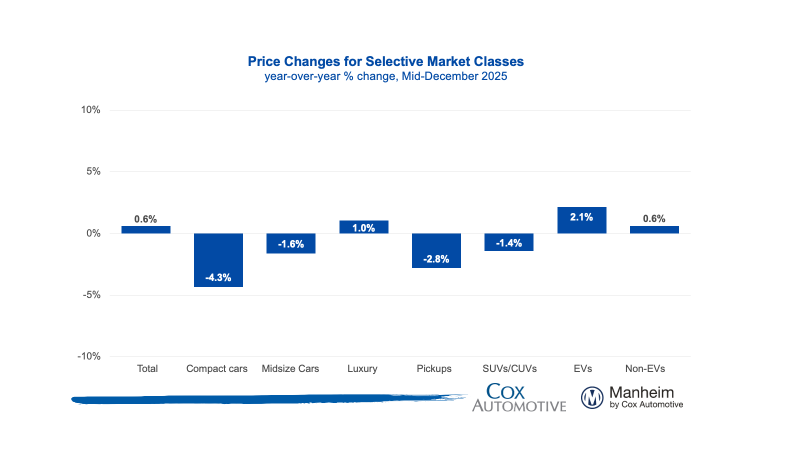
One of the most important takeaways is how differently vehicle segments are behaving.
Segments That Lost Value
- Compact cars
- Midsize cars
- Pickup trucks
- Vans
These declines suggest weaker demand in traditionally “safe” segments — especially for vehicles that don’t stand out in utility or perceived value.
Segments That Held or Gained Value
- SUVs and crossovers (slight declines, relatively stable)
- Luxury vehicles (modest increases)
- Electric vehicles (surprisingly strong gains)
The strength in EV values has surprised many observers, especially given recent changes to incentives.
Why Electric Vehicle Prices Are Surprising Right Now
.jpg)
Despite lower sales volume in November, electric vehicles saw some of the strongest value increases of any segment.
This is notable because:
- Major EV tax incentives recently ended
- Sales volume declined, which usually pressures prices downward
- Prices increased anyway
While this does not guarantee long-term appreciation, it suggests EV values may be more resilient in the short term than many expected. That’s something to watch closely as we move into early 2026.
What Retail Listing Data Is Showing
Wholesale prices only tell part of the story. Retail listing data helps show whether cars are actually selling — or just sitting.
Over the past few months:
- Average listing prices rose modestly earlier in 2025
- Prices have declined more rapidly in the last 3–4 months
- The speed of price drops has outpaced earlier increases
This suggests sellers are starting to feel pressure.
Price Cuts Reveal Negotiation Power
Looking at individual listings reveals a key pattern: many vehicles are seeing repeated price cuts but still aren’t moving quickly.
What price cuts usually mean:
- Dealers are motivated to sell
- Inventory is sitting longer than expected
- Buyers have room to negotiate
For car flippers and buyers, this is a strong signal that patience pays.
High Perceived Value Cars vs. Problem Inventory
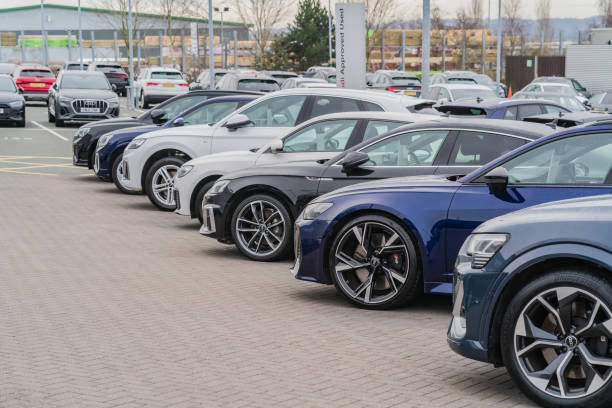
Some vehicles offer strong perceived value relative to price — especially brands that depreciate quickly.
Examples of trends seen in listings:
- Certain luxury brands offer premium looks at discounted prices
- Some vehicles with weaker reliability histories struggle to sell
- Popular models still require discounts to move inventory
The key lesson is that price alone doesn’t determine value — demand and perception matter just as much.
How This Affects Car-Based Businesses
For car entrepreneurs, this market creates opportunity.
For Car Flippers
- Flat pricing reduces downside risk
- Negotiation leverage improves margins
- Overpriced inventory is easier to spot
For Car Sharing & Rentals
- Stable prices make fleet planning easier
- Depreciation risk is more predictable
- Buyer discipline matters more than timing
For Taxes & Scaling
- Buying at the right price protects long-term profitability
- Lower entry costs improve cash flow
- Mistakes in pricing still hurt — even in a stable market
Learning to Read the Market Better
If you want to sharpen your ability to evaluate deals, pricing trends, and timing, Shifting Tax Brackets offers educational resources like the Car Buying Masterclass, Car Sharing Masterclass, and car flipping education — all designed to help you think like a business owner, not just a buyer.
Final Thoughts
The used car market heading into 2026 is calmer, flatter, and more negotiable than it’s been in years.
That doesn’t mean deals fall into your lap — it means disciplined buyers win.
If you focus on:
- Real market data
- Price reductions and time-on-market
- Perceived value over hype
You’ll be in a strong position to buy, flip, or scale your car-based business with confidence as the new year begins.

