
The 24-Hour Rule: How Smart Turo Hosts Scale Without Burning Out
Car Sharing


If you’re running a car sharing fleet — or planning to start one — your biggest enemy isn’t competition. It’s chaos. Missed photos, late-night check-ins, denied claims, and constant interruptions are what stop most fleets from scaling.
That’s where the 24-hour rule comes in. This simple operating principle can completely change how your fleet runs, how much time you get back, and how protected your business really is.
What the 24-Hour Rule Actually Is
The 24-hour rule is based directly on Turo’s terms of service.
In short:
- Every vehicle must have photos taken within 24 hours before a trip starts
- Every vehicle must have photos taken within 24 hours after a trip ends
If you want to be eligible for:
- Damage claims
- Smoking fees
- Cleaning fees
- Fuel charges
- Mileage overages
Your photos must fall inside that 24-hour window.
Photos taken outside that window can result in denied claims, even if the issue is obvious.
Why the Rule Matters for Scaling
Most hosts understand the rule — very few design their fleet around it.
When you follow the 24-hour rule intentionally:
- Cars are always ready to be booked
- You avoid surprise work at night
- Claims are protected automatically
- Your day becomes predictable
This isn’t about working harder. It’s about working once and covering the next 24 hours.
Turnovers vs. Rechecks (Know the Difference)
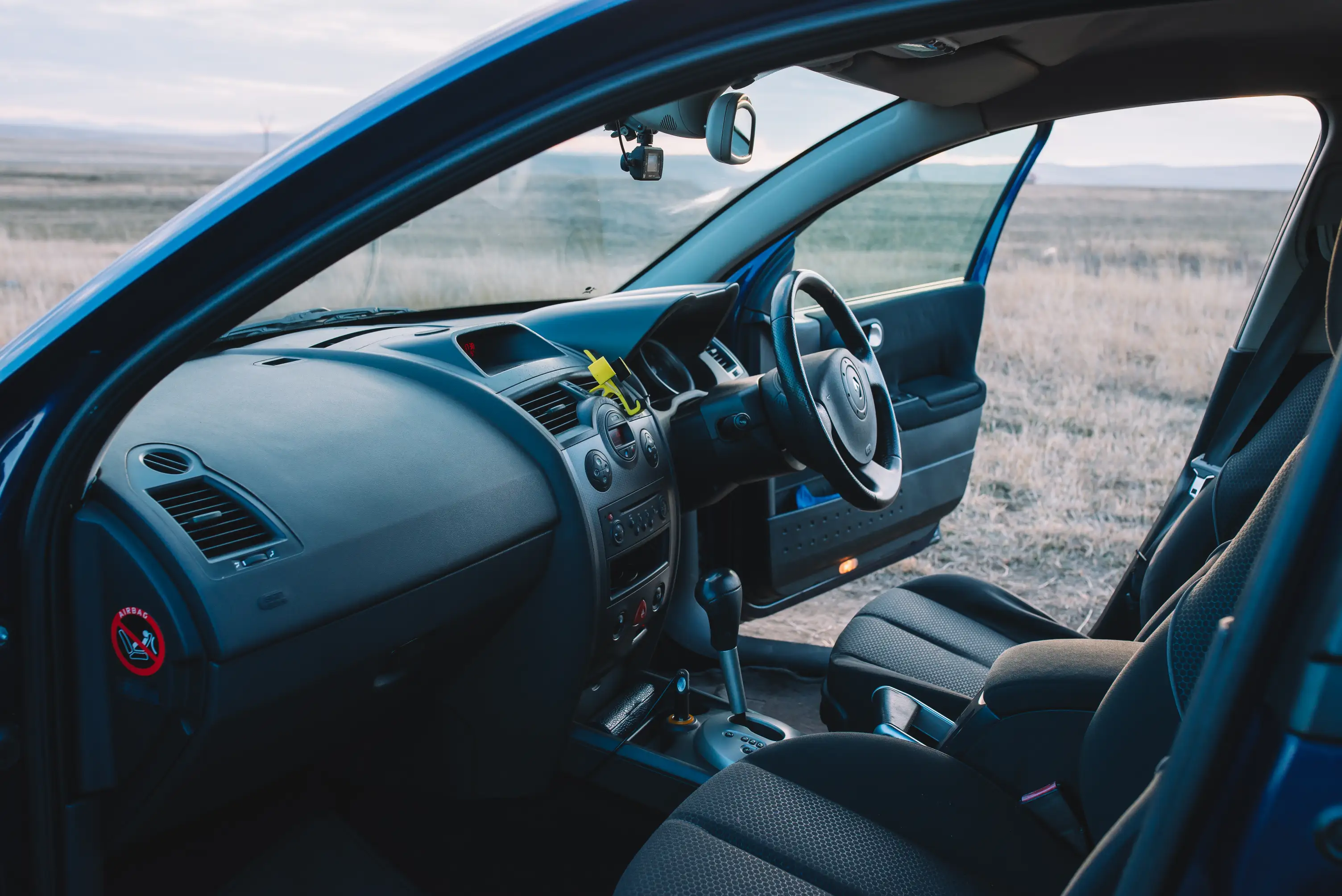
To make the 24-hour rule work, fleets operate in two modes.
Turnover
A turnover happens when a car is returned from a trip.
A turnover includes:
- Cleaning the vehicle
- Taking return photos (mileage, fuel, condition)
- Taking fresh photos for the next booking
Once done, that car is “good” for the next 24 hours.
Recheck
A recheck is for cars that haven’t been returned, but might be booked soon.
A recheck includes:
- Quick visual inspection
- Fresh photos only
No cleaning required if the car hasn’t been used.
Both turnovers and rechecks reset the 24-hour clock.
How This Creates a Predictable Workday

Most fleets naturally see:
- Morning returns
- Morning departures
That’s a huge advantage.
By doing turnovers and rechecks early in the day, you:
- Prep your entire fleet by late morning
- Cover all possible bookings for the next 24 hours
- Eliminate unexpected evening work
Once the photos are done, your job is done.
Pricing Adjustments Inside the 24-Hour Window
If a car is prepped but not booked yet, smart hosts don’t panic — they adjust pricing slightly.
Typical approach:
- Small price drops throughout the day
- No extreme discounts
- Just enough to trigger demand
The goal is simple: get the car booked before photos expire, so you don’t have to redo work tomorrow.
Blocking Cars Is a Power Move (Not a Weakness)
Late-night returns are one of the biggest sources of burnout.
Instead of dealing with cars at 8–9 p.m.:
- Block late returns
- Handle them the next morning
- Keep your evenings intact
This protects:
- Your time
- Your consistency
- Your sanity
A fleet that runs only during defined hours scales far better than one that’s “always on.”
Why Fleets Get Overwhelmed Without This System
Without the 24-hour rule, hosts experience:
- Surprise bookings while relaxing
- Missed photo windows
- Denied claims
- Constant calendar anxiety
There’s nothing worse than seeing a booking pop up when you weren’t expecting it — and realizing the car isn’t ready.
This system eliminates that problem entirely.
The Real Business Benefit
When every car is touched every 24 hours:
- Revenue is maximized
- Claims are protected
- Work is front-loaded
- Flexibility is restored
You can run errands, work on other projects, or simply enjoy your day — while your fleet stays live and earning.
That’s what scaling is supposed to feel like.
How This Impacts Profit, Growth, and Stress
Profit
- More bookings captured
- Fewer denied claims
- Less wasted labor
Scaling
- Systems work at 3 cars or 30
- Easy to delegate to staff
- Clear daily checklists
Lifestyle
- No late-night emergencies
- Predictable workload
- Real time freedom
Learn the System the Right Way
This operating philosophy is taught in detail inside Shifting Tax Brackets’ Car Sharing Masterclass, alongside:
- Fleet systems
- Staffing workflows
- Direct rentals
- Co-hosting strategies
If you want to understand the full context behind the 24-hour rule and see it applied across larger fleets, the original walkthrough video can be found here:
Final Thoughts
The 24-hour rule isn’t just about photos.
It’s about designing your car sharing business so:
- Work happens on your terms
- Claims are never questioned
- Growth doesn’t cost your freedom
Fleets that respect this rule scale cleanly. Fleets that ignore it stay reactive.
If you want your car sharing business to feel like a system — not a constant interruption — this rule is non-negotiable.

