
Long-Term Turo Trips: The Most Passive (and Profitable) Model Most Hosts Get Wrong
Car Sharing
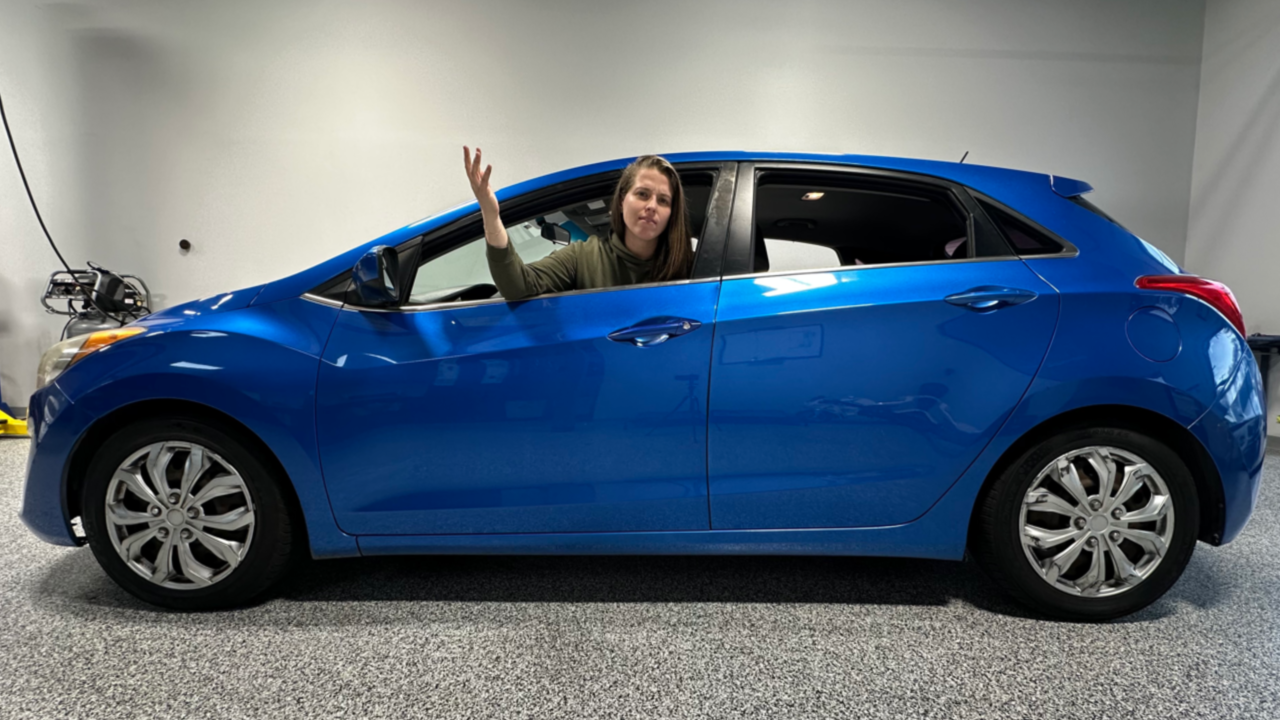

Long-term trips are one of the most misunderstood business models in car sharing. Done wrong, they cap your income. Done right, they can become one of the most passive and profitable ways to run a fleet.
If you’re trying to scale without constant turnovers, late-night check-ins, or daily stress, this model deserves your attention — but not in the way Turo promotes it.
What Long-Term Trips Actually Are
A long-term trip is when a guest rents a vehicle for weeks or months at a time instead of days.
The appeal is simple:
- Fewer check-ins and check-outs
- Less daily involvement
- More predictable income
For many hosts, this sounds like the perfect “set it and forget it” setup.
But the details matter.
Turo’s Version of Long-Term Trips
Turo has been heavily pushing long-term trips by encouraging large duration discounts, sometimes as high as 50%.
The logic behind this approach:
- Guests pay less per day
- Guests drive fewer miles
- Less mileage means less depreciation
- Less work for the host
In theory, this sounds reasonable.
In practice, it often results in far less money in your pocket.
A Different Long-Term Model (That Pays More)

There’s another way to run long-term trips — one that keeps the same passivity but dramatically improves earnings.
Instead of offering steep discounts:
- Minimal or no long-term discounts
- Stable daily pricing
- Cars purchased cheaply and strategically
The result?
- Same low workload
- Significantly higher revenue
- Depreciation risk already baked in
A Real Example: How the Numbers Actually Work

Consider a used economical vehicle purchased well below market value.
One such car:
- Purchased for roughly $3,300
- Rented long-term for about 8 months
- Generated over $8,000 in revenue
- Accumulated around 25,000 miles
On paper, that mileage sounds scary.
In reality, the car was:
- Already near the bottom of its depreciation curve
- Still worth more than the purchase price after the trip
This is where most hosts misunderstand depreciation.
Why Mileage Isn’t the Enemy (If You Buy Right)
Depreciation does the most damage early in a car’s life.
When you buy a car:
- New or lightly used → depreciation hurts
- Older and discounted → depreciation slows dramatically
If you buy at the bottom of the curve, mileage matters far less than most people think.
This is why long-term trips can be incredibly profitable if the purchase price is right.
High Mileage Can Be a Profit Center

Some hosts fear excess mileage. Experienced operators know it can be an advantage.
There are real cases where:
- Guests drove tens of thousands of extra miles
- Mileage overages alone generated five-figure payouts
- Cars had already paid for themselves
When a vehicle is already heavily depreciated and purchased cheaply, mileage fees become upside — not risk.
Maintenance Is the Real Trade-Off
Long-term trips do come with one cost: maintenance planning.
With longer trips, you need to:
- Monitor mileage periodically
- Plan oil changes and inspections
- Occasionally put eyes on the vehicle
This doesn’t make the model harder — just more deliberate.
A Simple Maintenance System
- Request odometer photos every 2–3 weeks
- Block extensions if photos aren’t provided
- Schedule maintenance proactively
- Inspect cars periodically to assess guest behavior
This protects the asset while keeping the trip passive.
Why Buying at the Right Price Is Non-Negotiable

This model only works if you buy correctly.
It is not ideal for:
- New cars
- Cars still depreciating rapidly
- Vehicles purchased at retail pricing
It works best with:
- Older, economical vehicles
- Cars purchased below market value
- Vehicles already past major depreciation
If you buy wrong, Turo’s heavy-discount model may actually be safer.
If you buy right, discounts become unnecessary.
The Biggest Mistake Hosts Make With Long-Term Trips
The most common error is assuming:
“Less mileage automatically means more profit.”
That’s not true.
Purchase price determines risk, not mileage alone.
When you understand depreciation and buy strategically, long-term trips can produce:
- High revenue
- Low effort
- Strong margins
- Predictable cash flow
How This Impacts Your Business
Profit
- Higher daily earnings without discounts
- Mileage overages become upside
- Cars pay themselves off faster
Scaling
- Fewer turnovers to manage
- Easier to delegate
- Less operational chaos
Lifestyle
- True passivity
- Minimal interruptions
- Flexible schedule
Learn the Full Strategy
This long-term trip framework is taught in depth inside Shifting Tax Brackets’ Car Sharing Masterclass, alongside:
- Vehicle buying strategy
- Depreciation planning
- Direct rentals
- Co-hosting systems
If you want to see the original breakdown and examples discussed visually, you can reference the source video here:
Final Thoughts
Long-term trips aren’t about discounts.
They’re about:
- Buying at the right time
- Paying the right price
- Letting mileage work for you, not against you
When you structure your fleet correctly, long-term trips deliver the best of both worlds: passive operations and strong earnings.
That’s not just good car sharing — that’s smart car-based entrepreneurship.

