
How to Get 100% of Your Turo Mechanical Damage Claims Approved
Turo Strategy
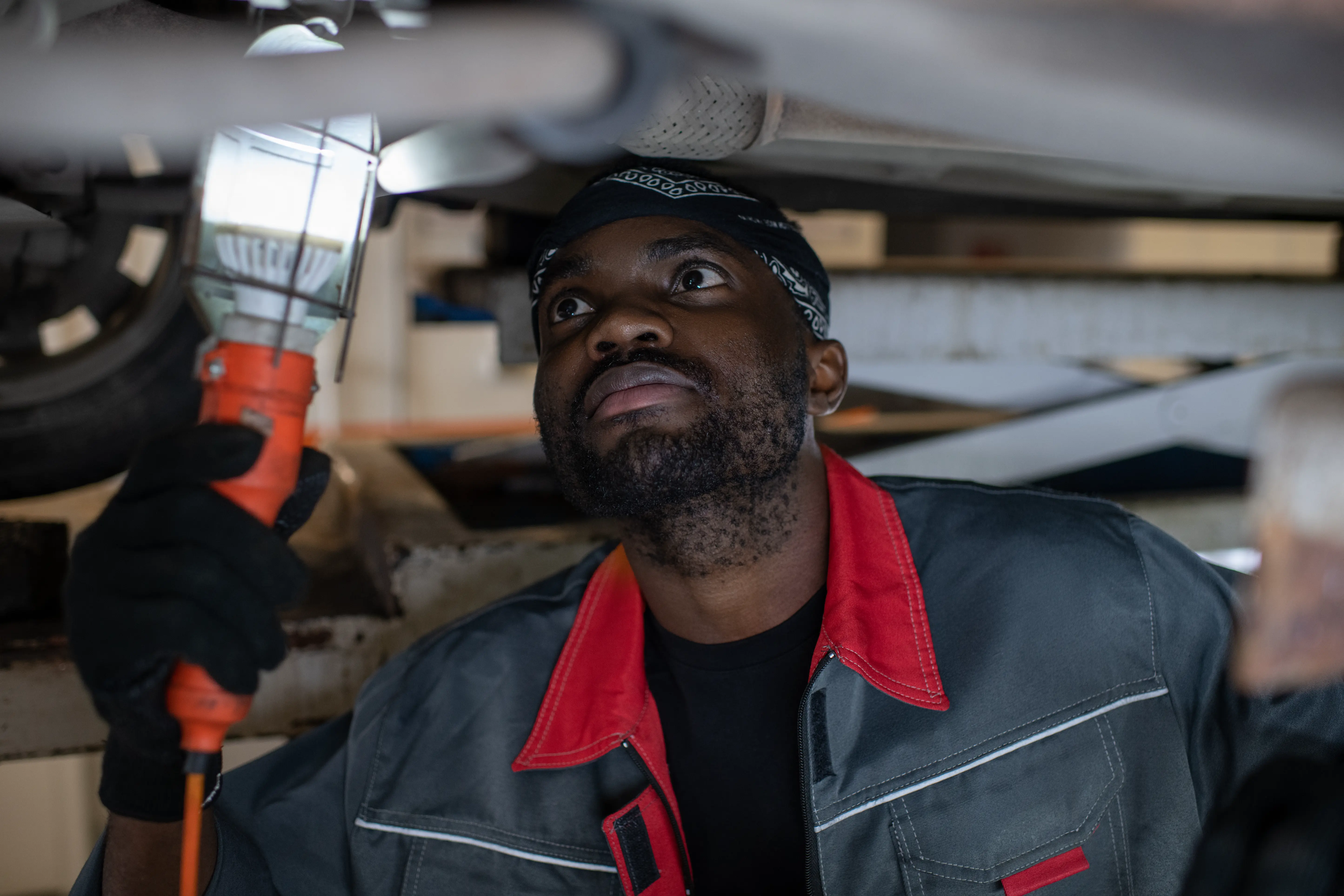

If you've ever filed a mechanical damage claim on Turo, you already know how this goes. You submit the damage report, Turo sends back a request for more information, you send over whatever your shop gave you, and then you wait. Sometimes it gets approved. A lot of times it doesn't. And when it gets denied, Turo makes it feel like the decision is final.
It isn't. And the reason most mechanical claims fail has nothing to do with the damage itself.
After nine years of running a Turo fleet and filing more claims than most hosts will ever see, one operator has built a process that has resulted in a 100% approval rate on every legitimate mechanical damage claim filed since last April. Not a lucky streak. A repeatable system. And the difference between what he does and what most hosts do comes down to one thing: the email you send Turo matters more than the inspection itself.
Here's exactly how the process works — and why it works.
First, Understand How Mechanical Claims Actually Flow
Before you can optimize anything, you need to understand what's actually happening behind the scenes when you file a mechanical damage claim.
The moment you select mechanical damage on a Turo damage report instead of physical or cosmetic damage, Turo triggers a specific internal process. They'll send you an email requesting that you take the vehicle to a mechanic and get a formal inspection — one that documents not just what the damage is, but what caused it.
This is where most hosts immediately go wrong.
They take the car to a shop, get an estimate, and send that estimate to Turo. That's it. That's the whole submission. And an estimate alone is almost never enough to get a mechanical claim approved, because an estimate tells Turo what it costs to fix the car. It doesn't tell them why the damage happened or how the guest caused it.

Once Turo receives your inspection, they'll try to determine whether the damage could have been caused by the guest. If the case is obvious — say there's mechanical damage alongside visible physical damage from an impact — they may be able to make that call internally. But in most pure mechanical damage cases, where there's no external damage visible, Turo will send out a third-party inspector to physically examine the vehicle and attempt to attribute the cause.
That inspector's findings feed back into the claim decision. If the inspector can confirm the cause and attribute it to the guest, the claim moves forward. If they can't — or if the file you've given Turo is thin — you'll get a denial letter.
What most hosts don't realize is that a denial letter is not the end. It can be pushed back on. But it's far better to never get there in the first place.
The Caveat That Makes This Whole Process Work
Before getting into the mechanics of the system, there's a critical foundation to establish: this process only works if the damage actually came from the guest.
That sounds obvious, but it's worth being explicit about. There are three categories of mechanical damage in car sharing:
The first is guest negligence — the guest ignored a warning light, the car started smoking, and they kept driving for another 30 miles and blew the engine. That's potentially claimable.
The second is guest-caused damage — the guest hit a curb, drove over something at speed, or did something that directly caused mechanical failure. That's the most straightforward category and the most commonly claimable.
The third is mechanical failure — things just break. Wear and tear happens. Components reach the end of their life. Sometimes it genuinely isn't the guest's fault, and it isn't yours either. It's just an aging car.
Filing claims in that third category is where hosts destroy their credibility with Turo. Part of the reason this process has a 100% success rate is selectivity. If a claim gets filed, it's because there are thousands of dollars in damage or a total loss situation, and there is clear evidence pointing to guest negligence. Minor mechanical issues — even ones that might have been worsened by how the guest drove — don't make the cut.
Be honest with yourself about what actually happened before you file anything.
Step One: The Inspection — And What Your Shop Needs to Provide
Once you've determined the damage is legitimately claimable, your first move is getting the vehicle to a shop. But not just any shop, and not just for any inspection.
Use a recognized, franchise-level shop. National chains, dealership service centers, established brands. The reason is simple: Turo has never questioned the inspections that come from shops with that kind of institutional credibility. Mobile mechanics are a problem. Your own shop — even if you happen to own one — is a non-starter. The inspection needs to come from an unambiguous third party with no stake in the outcome.
The inspection itself needs to accomplish two things. First, it needs to document what the damage is. Second — and this is the part most shops won't do unless you ask — it needs to state the cause of the damage and rule out pre-existing conditions.
If your shop knows you run a Turo fleet, they should understand what this means. A shop that you've built a relationship with over time is invaluable here because they already understand the standard you need. The inspection for the Volvo S40 claim — which you can see broken down in the video below — explicitly stated that the damage was caused by an impact, that it was multifaceted, and that it could not have been pre-existing — because a car with that level of damage to the oil pan, engine block, and motor mount simply wouldn't have been drivable before the trip started.
That last point is critical. If the damage is severe enough that the car couldn't have been driven with it present, your shop should say that explicitly. It directly counters Turo's most common denial reasoning, which is that the damage was pre-existing.
Step Two: The Email — This Is Your Actual Secret Weapon
Here's where most hosts leave money on the table. They get a solid inspection from a reputable shop, attach it to an email, write two sentences, and hit send. Then they wonder why the claim gets denied.
The email you send Turo alongside your inspection is more important than the inspection itself.
The reason comes down to who is actually reading your submission. The Turo representatives who decide whether to escalate a claim or accept liability are not mechanics. They don't have deep automotive knowledge. They're looking at your file and trying to make a determination based on what you've given them. If what you've given them is thin, vague, or requires them to do interpretive work, the path of least resistance for them is a denial.
Your job is to make it impossible for them to say no.

The email follows a specific structure. It opens by identifying the guest, the rental dates, and the duration. It then outlines — with specificity — what happened during the trip. If the guest sent messages through the Turo platform describing what was happening with the vehicle, those get quoted directly and included as screenshots. Timestamps matter. If a guest messaged at 7:16 p.m. to say the steering was locking up, but mentioned the problem started at 5:30 p.m., that two-hour gap is evidence of negligence and it gets called out explicitly.
The middle section of the email bridges the guest's actions to the physical damage found at the shop. Each point of damage gets named — oil pan, engine block, motor mount, AC compressor pulley — and each one gets connected back to the impact event. Annotated photos get attached. Not just photos of the damage, but photos with the specific damage points labeled and referenced in the email text. The email uses language like "See attached: engine oil pan impact" so the Turo rep knows exactly where to look.
Then comes a direct quote from the shop's inspection report — the actual language the mechanic used to describe the cause. Followed by the full inspection document as an attachment.
The final paragraph is where you make your case with facts. Not emotion, not frustration — facts. This is where you explain, in plain language, what causes this type of damage, why the evidence points to the guest, and why pre-existing damage can be ruled out. If the evidence supports it, cite sources. In the video below, this is exactly what was done in a separate claim involving a Mitsubishi Mirage — a case where a guest overfilled the transmission, causing it to fail and need full replacement. The final paragraph of that claim email included a detailed explanation of how aeration from overfilling causes transmission failure, the specific signs present in that vehicle's damage, and cited sources to support it. That claim had originally been denied. After that email, Turo agreed to a second inspection and paid for the full transmission replacement.
Keep the emotion out entirely. Turo reps are not moved by frustration. They are moved by clear, organized, well-evidenced cases that make the decision easy for them. Your goal is to spoon-feed them the conclusion.
Step Three: The Inspector Visit — Don't Leave This to Chance
Once your email and inspection have been submitted and Turo decides to send out an inspector, your job isn't done yet.
The vehicle needs to still be at the shop when the inspector arrives. Do not move it. And critically, you need to make sure the shop knows an inspector is coming and that someone at the shop walks the inspector through the damage personally.
This is not optional. An inspector left to wander through the vehicle on their own may miss context, may form their own interpretations, and may reach conclusions that don't help your case. A shop representative who understands what happened and can walk through each damage point — explaining what they found, how they determined the cause, and why the damage couldn't have been pre-existing — dramatically increases the likelihood of a favorable inspector report.
If the shop charges an hourly rate to have someone present for that walkthrough, pay it. It is a small cost relative to what's at stake on a mechanical damage claim.

As long as the inspection is solid, the email was thorough, and the shop representative guides the inspector through the vehicle, the claim should move forward. There are no guarantees in any claims process — but this system, followed completely, has not produced a single denial since it was implemented.
What the Volvo S40 Case Teaches About Cutting Corners
The most instructive part of this entire system is actually the story of what happens when you don't follow it.
A Volvo S40 came back with a cracked oil pan, a cracked engine block, and a completely broken motor mount. The kind of damage that looks, on the surface, like an obvious total loss. The kind of case where you'd think the evidence speaks for itself.
It doesn't.
A short email was sent to Turo with just the shop inspection. No detailed narrative, no quoted guest messages, no annotated photos, no final explanatory paragraph. Just the form and a brief note. The claim was denied.
Once the mistake was recognized, Turo was contacted and asked to re-evaluate. They pushed back initially, then agreed to a second inspection. This time, the full process was followed — complete email, annotated photos, direct quotes, shop narrative, factual final paragraph. The claim was approved.
The damage hadn't changed. The inspection findings hadn't changed. The email changed. That was it.
Practical Takeaways
If you're going to take one thing from this and implement it today, make it the email. Build a template based on the structure above and keep it somewhere accessible. Every time you have a legitimate mechanical claim, fill it out properly before you hit send.
Beyond that: build a relationship with a reputable franchise shop before you need them for a claim. Having a shop that already understands your fleet, already knows what Turo requires, and is willing to provide the level of detail you need in an inspection is worth more than almost anything else in this process.
Only file claims where the evidence genuinely points to the guest. Your track record with Turo matters, and filing weak claims erodes the credibility you need when a real one comes through.
And if you receive a denial — push back. Ask for a re-evaluation. Ask for a second inspector. It has worked twice in the past year alone using this exact process.
The Difference Between Hosts Who Win Claims and Hosts Who Don't
It comes down to this: most hosts treat the inspection as the product. The inspection is evidence. The email is the argument. And Turo makes decisions based on arguments, not evidence alone.
If you've been filing mechanical claims and losing them, the inspection is probably fine. The email is probably the problem.
Fix the email, follow the three steps, choose your battles carefully, and your approval rate will look very different six months from now. The process exists. It works. Now it's just a matter of using it.

