
How I’d Start a Profitable Turo & Rental Fleet in 2026 (From Scratch)
Car Sharing


If you’re thinking about starting a Turo or rental fleet in 2026, the decisions you make early will determine how profitable, and how stressful, your business becomes. Vehicle choice, financing, taxes, and growth strategy all matter far more than most new hosts realize.
Below is a clear, practical breakdown of how to build a smart, scalable car-sharing fleet from day one, without overextending yourself or taking unnecessary risk.
Start Simple: Avoid Expensive Cars Early On
One of the biggest mistakes new car-sharing operators make is starting with newer, expensive vehicles.
While newer vehicles can feel safer or more professional, they often come with:
- Higher purchase prices
- Faster depreciation
- Bigger losses if the car is sold or totaled
- Higher daily rental rates that are more sensitive to economic slowdowns
For a first-time operator, this creates unnecessary risk.
Why Expensive Cars Can Hurt Early Growth
- A $30,000 vehicle may rent for $75–$125 per day, pricing out budget-conscious renters
- Newer cars lose value quickly
- Your capital is tied up in one asset instead of spread across multiple vehicles
Early on, the goal is cash flow and flexibility, not luxury.
Focus on Recession-Resistant, Low-Cost Vehicles
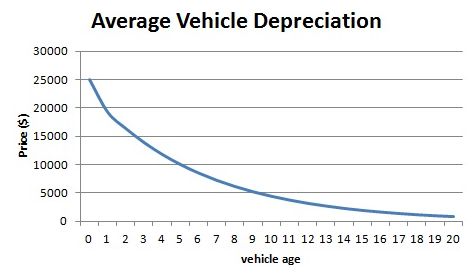
A better approach is starting with vehicles near the bottom of their depreciation curve.
These are typically:
- Older but reliable sedans
- Compact SUVs
- Vehicles with strong reliability histories
Why Cheap Cars Work Better Early
- Lower purchase price means lower risk
- Many can be sold later for close to what you paid
- Daily rates are affordable for more renters
- Repairs and insurance costs are easier to manage
For example, a $4,500–$6,000 car renting for $40–$45 per day can often outperform a newer vehicle when measured by return on investment, not just revenue.


Understand Depreciation Before You Buy
Depreciation is one of the most overlooked costs in car-based businesses.
Cars bought near the bottom of their depreciation curve:
- Lose value much more slowly
- Protect your downside if the car needs to be sold
- Reduce losses in accidents or insurance claims
This means your true cost of ownership can be very low — sometimes close to zero.
Use Financing Strategically (Not Excessively)
Debt isn’t inherently bad — but it must be controlled.
If starting in 2026, a smart approach is:
- Grow to five cars as quickly as possible
- Finance one low-cost vehicle under your business name
- Use that loan primarily to build business credit
Financing Guidelines That Keep Risk Low
- Keep financed vehicles under $10,000
- Expect higher interest on early business loans
- Pay the loan off quickly to limit interest costs
- Choose vehicles with higher perceived value
Financing one car early can open doors later — just don’t rely on debt to grow your entire fleet.
When Section 179 Makes Sense (And When It Doesn’t)

Section 179 allows certain heavier vehicles (over 6,000 lbs) used for business to reduce taxable income through accelerated depreciation.
This strategy works best if:
- You already earn strong income
- You need tax deductions
- The vehicle will be used entirely for business
Important Reality Check
Tax deductions only matter if you’re making money.
If you’re new, low-income, or just experimenting with car sharing, these vehicles may not provide meaningful tax benefits yet. For higher earners, however, they can dramatically reduce tax liability.
This is where car sharing can double as both a business and a tax strategy.
Keep Storage and Operations Lean
Many new operators overspend on:
- Large shops
- Climate-controlled storage
- Premium facilities
Early on, these expenses slow growth.
Instead:
- Rent basic parking spaces
- Use a home garage for cleaning and check-ins
- Reinvest profits into more vehicles
Keeping overhead low allows your fleet to grow faster using cash flow rather than debt.
The Five-Car Rule: When It Starts Feeling Like a Business
Running one or two cars often feels inconvenient:
- Limited income
- Scheduling disruptions
- Minimal systems
At around five cars:
- Income becomes meaningful
- Systems start to make sense
- The business feels worth the effort
Operationally, managing five cars isn’t much harder than managing one — but the upside is significantly higher.
A Two-Phase Growth Plan for 2026
Phase One: First Five Cars
- Two economical sedans
- Two compact crossover SUVs
- One financed, higher-perceived-value vehicle
This mix balances affordability, demand, and learning.
Phase Two: Expanding Smartly
- Add more economical sedans
- Add more compact SUVs
- Introduce heavier vehicles only when income supports it
The long-term goal is:
- About 80% economical vehicles
- No more than 10–20% financed vehicles
- Controlled debt at all times
Why This Strategy Works Long-Term
This approach prioritizes:
- Cash flow over ego
- Flexibility over flash
- Sustainable growth over shortcuts
It allows you to scale a fleet that survives market shifts, controls risk, and builds real business value over time.
Learning Faster (Without Costly Mistakes)
If you want deeper guidance on vehicle selection, inspections, financing, and scaling systems, Shifting Tax Brackets offers educational resources like the Car Sharing Masterclass, Car Buying Masterclass, and car flipping education — all designed to help you make informed decisions, not rushed ones.
Final Thoughts
Car sharing in 2026 isn’t about owning the nicest cars — it’s about owning the right cars.
When you focus on depreciation, demand, and disciplined growth, your fleet becomes more resilient, more profitable, and easier to scale. Start small, think strategically, and let your business grow at a pace your finances can support.
That’s how car-based entrepreneurship becomes sustainable — not just exciting.

