
How Direct Rentals Actually Work Behind the Scenes
Direct Rentals

How Direct Rentals Actually Work Behind the Scenes
Most people see direct rentals from the outside and assume it’s simple.
Build a website. List some cars. Collect bookings. Hand over keys.
But once you actually start running direct rentals at scale, you realize very quickly that the real challenge isn’t getting bookings.
The real challenge is operations.
Guest verification. Deposits. Insurance validation. Extensions. Toll collection. Locked credit cards. Incidentals. Communication flows. Damage recovery. Automation.
That’s the real business.
And honestly, this is the part most people never talk about online.
A lot of YouTube videos and social media posts make direct rentals look passive. In reality, direct rentals require significantly more operational structure than platforms like Turo because you’re replacing the infrastructure that Turo normally handles for you.
In this post, I want to break down what the actual customer journey looks like behind the scenes when someone rents directly from a fleet operator.
Not theory.
Not “how to get started.”
The real operational flow.
And if you’re considering building a direct rental operation in 2026, understanding this side of the business matters more than almost anything else.
Why More Hosts Are Moving Toward Direct Rentals
Over the last couple of years, more operators have started moving toward direct bookings instead of relying entirely on Turo.
Part of that is platform policy changes.
Part of it is deductibles.
Part of it is wanting more control over pricing, branding, customer relationships, and margins.
But another major reason is diversification.
Hosts are realizing that building a real business means owning customer acquisition instead of depending entirely on a marketplace algorithm.
That doesn’t mean Turo is bad.
In fact, for many operators, Turo is still the best starting point.
But direct rentals allow you to build infrastructure that belongs to you.
Your own website.
Your own customer database.
Your own operational systems.
Your own repeat customers.
That shift changes everything long term.
Step 1: Customer Acquisition
The first thing most people ask is:
“How do direct rental businesses actually get customers?”
For many serious operators, the answer is surprisingly simple:
Google.
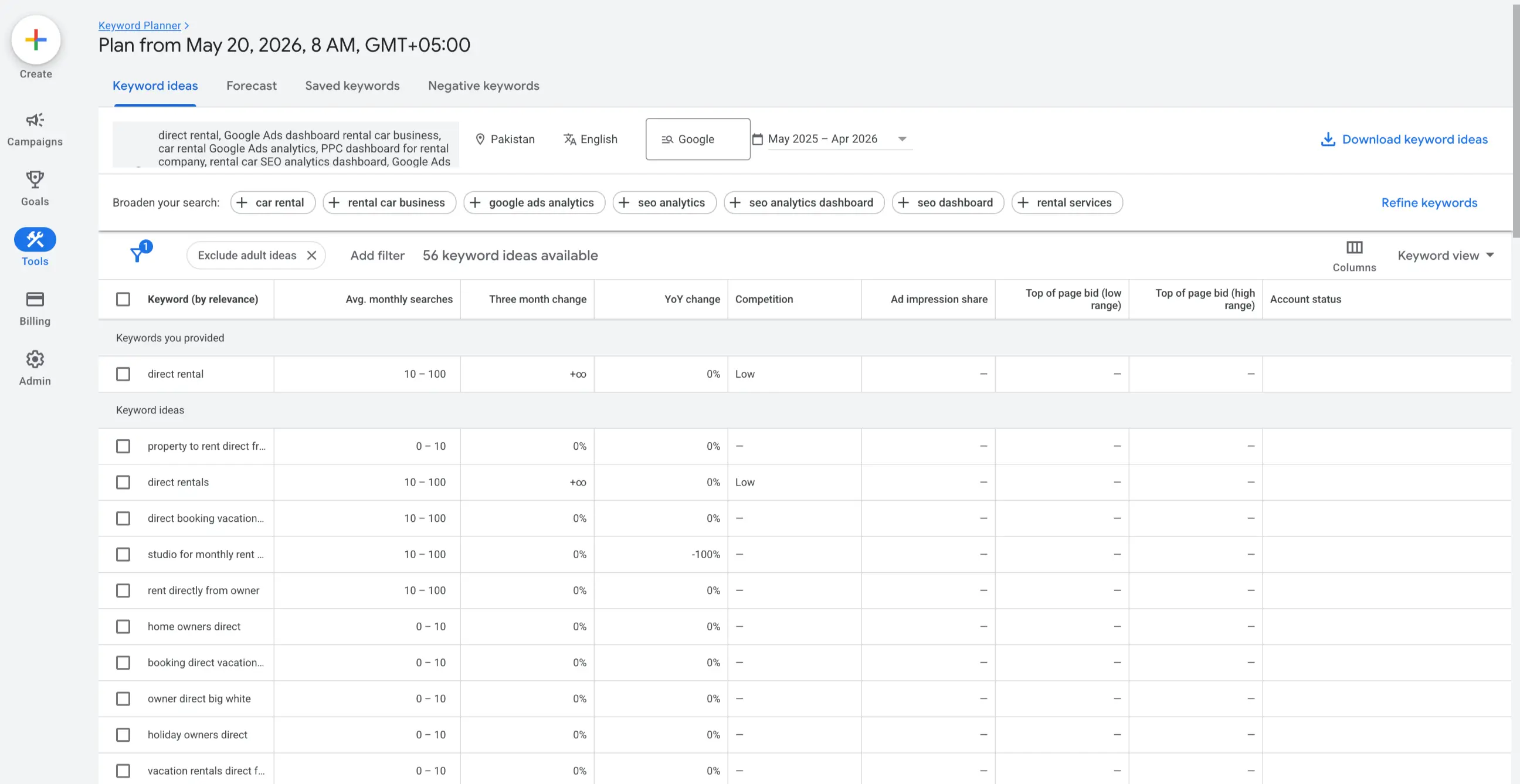
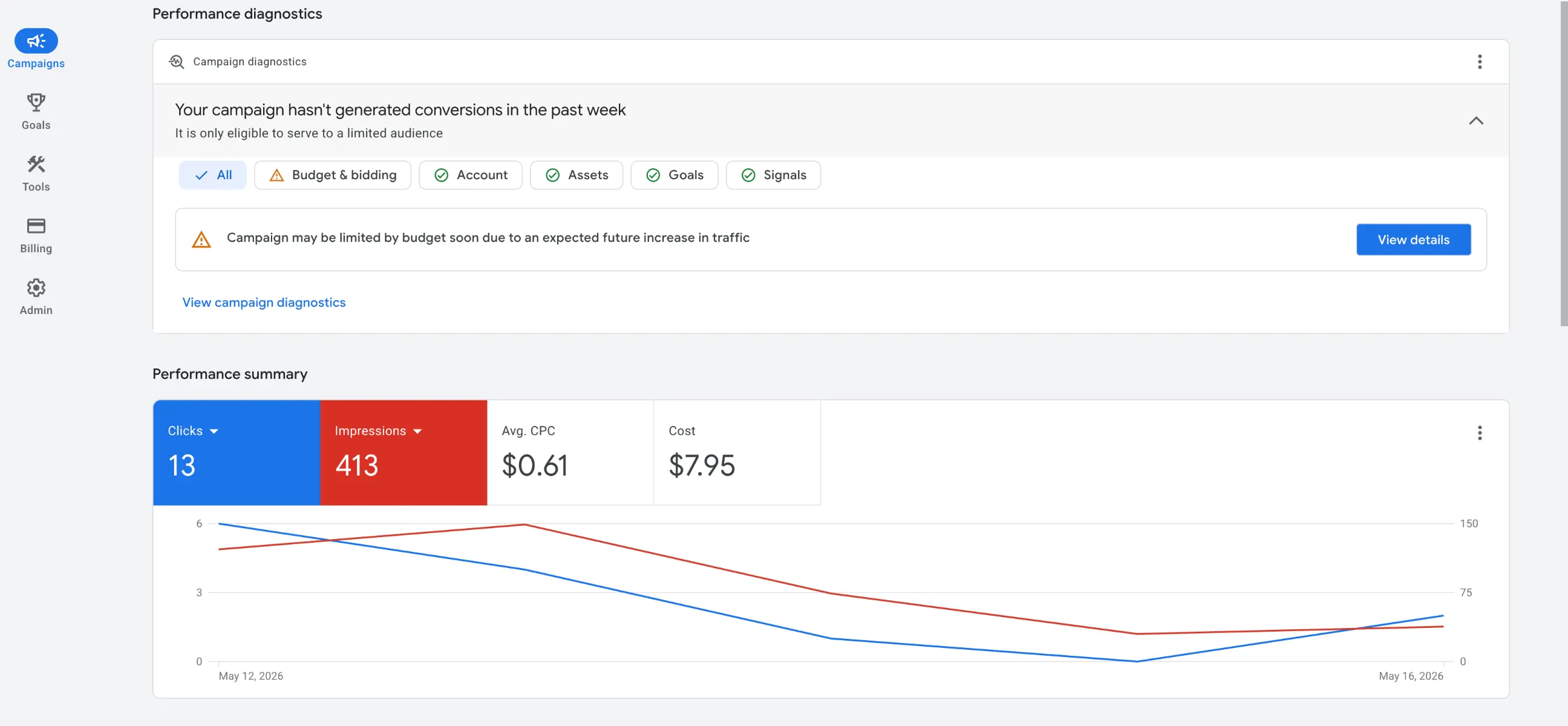
Most direct rental traffic comes from Google Ads, Google Business Profiles, SEO, and organic search traffic.
Because unlike social media advertising, rental demand is often intent-driven.
People actively search things like:
- rental cars near me
- cheap SUV rental Dallas
- direct car rental
- airport rental car
- monthly car rental
- no credit card car rental
That intent matters.
Someone scrolling Instagram isn’t necessarily trying to rent a vehicle.
Someone searching Google usually is.
That’s why many operators focus heavily on Google Ads and local SEO instead of traditional social campaigns.
The Two Types of Direct Rental Customers
Operationally, most direct rental customers fall into two very different categories, and understanding this difference matters because it directly impacts how much time, support, and infrastructure your business requires to manage bookings efficiently.
The first type is the ideal renter — the guest who finds your website, selects a vehicle, uploads their documents, pays, and completes the booking without needing much communication. These customers are usually the easiest to manage because they already understand how rental systems work. They tend to be more self-sufficient, ask fewer questions, and move through the booking flow quickly without creating additional operational workload. From a business perspective, these are highly efficient reservations because they require very little staff involvement after the initial booking comes through.
But realistically, a large percentage of direct rental customers are not like this.
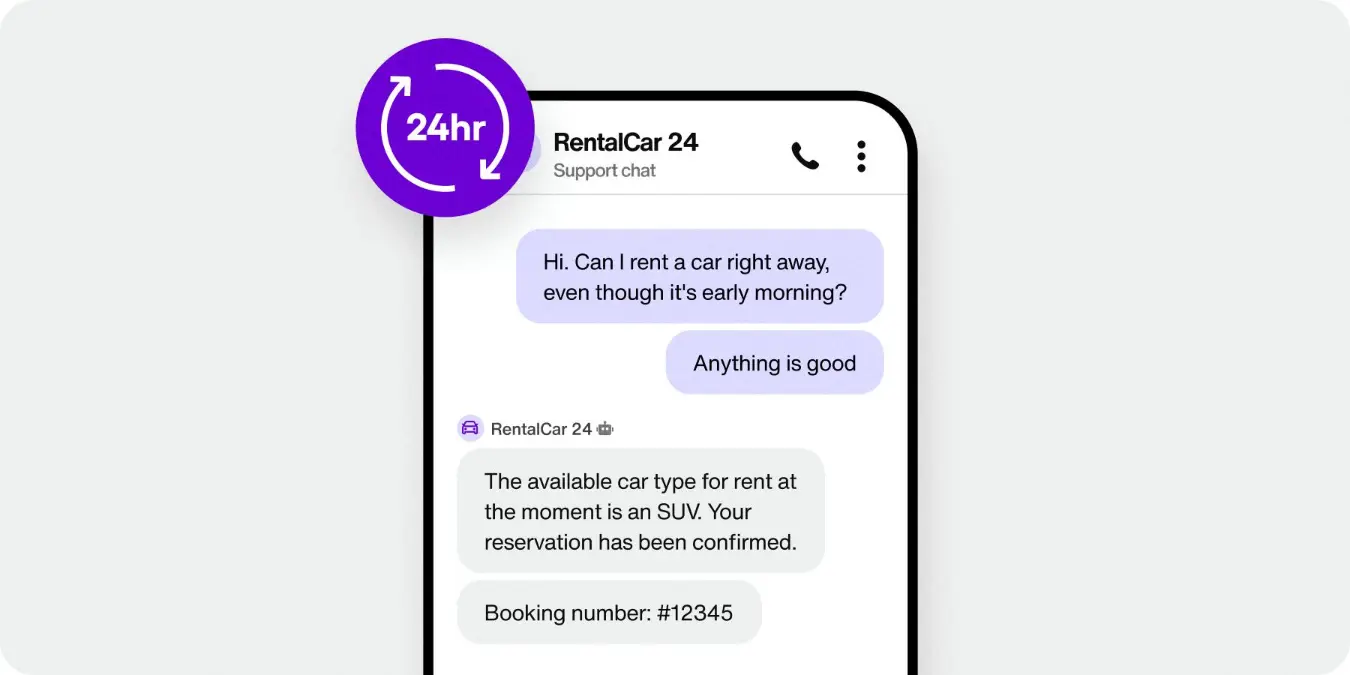
Most guests still want communication before committing to a reservation, especially when they’re renting from an independent operator instead of a large national rental company. They call with questions about deposits, insurance requirements, pickup procedures, mileage limits, extensions, age restrictions, late returns, security deposits, or after-hours pickup logistics. And while each individual question may seem small, the volume adds up extremely quickly once a fleet starts scaling.
This is one of the biggest operational bottlenecks in direct rentals that most people underestimate. At scale, repetitive communication becomes a serious drain on time and resources. Teams end up spending hours every day answering the same questions repeatedly instead of focusing on higher-value operational tasks.
That’s why many larger operators are now moving toward structured communication systems using automated SMS workflows, AI chat systems, templated responses, and centralized support processes. The goal isn’t to eliminate human interaction entirely, but to reduce repetitive communication so the team can focus on issues that actually require human decision-making.
The Operational Side Nobody Sees
Once a guest books, the real work begins.
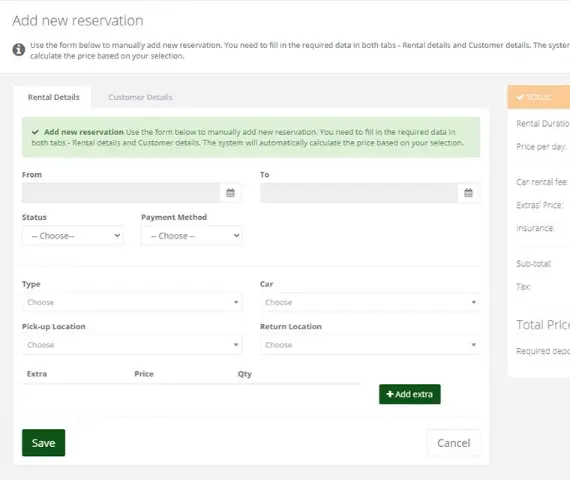
Most direct rental systems still require some level of manual operational review.
This is where many people underestimate how much infrastructure platforms like Turo normally handle automatically.
A direct rental booking usually requires verifying multiple things before the vehicle can actually be released.
That often includes:
- Payment verification
- Security deposit collection
- Rental agreement signature
- Insurance verification
- Driver’s license collection
- Background review
Unlike Turo, where much of this happens automatically through the platform, direct rentals require the operator to manage these workflows themselves.
And this is where operational systems become critical.
Why Insurance Verification Is One of the Biggest Challenges
Insurance is probably one of the hardest parts of direct rentals operationally.
And honestly, it’s one of the biggest reasons many people fail when attempting to move off-platform too early.
Most serious direct rental operators either:
- Require renters to verify personal insurance
- Sell supplemental rental insurance through integrated providers
Platforms like Wheelbase and HQ Rentals now integrate with systems like Axle Insurance and rental insurance providers to automate portions of this process.
But even with integrations, verification still creates friction.
And friction reduces conversions.
This is one of the biggest differences between Turo and direct rentals.
With Turo, the platform absorbs much of the insurance complexity.
With direct rentals, that responsibility becomes yours.
That changes risk management completely.
Extensions Become a Full-Time Job at Scale
One thing most people don’t realize is how operationally intense extensions become.
Especially with local renters.
Many guests extend day-by-day.
Or every other day.
Or continuously over long periods.
Without a structured workflow, this becomes chaos very quickly.
Most operators eventually develop extension systems involving:
- Scheduled reminder messages
- Automated payment requests
- Text workflows
- Vehicle cutoff procedures for non-payment
- Extension approval logic
At scale, extensions become one of the biggest operational drains in direct rentals.
Which is why many operators heavily invest in automation systems.
The Biggest Difference Between Turo and Direct Rentals
Incidentals.
This is probably the single largest operational difference between platform rentals and direct rentals.
On Turo, many incidental charges are relatively straightforward:
- Tolls
- Fuel reimbursement
- Smoking claims
- Cleaning fees
- Late fees
As long as evidence exists, reimbursement pathways are built into the platform.
Direct rentals are very different.
Just because you have a customer’s card on file does not mean you’ll successfully collect money later.
And this is something many new operators completely underestimate.
A huge percentage of renters lock their cards after transactions.
That means even if a renter owes additional money for:
- tolls
- damage
- over-mileage
- smoking
- extensions
…the card may decline entirely.
Which leaves operators relying heavily on security deposits.
And if damages exceed the deposit amount, recovery becomes difficult.
This is one of the hidden operational risks of direct rentals that almost nobody talks about publicly.
Why Automation Is Becoming Essential
As fleets scale, operators eventually hit a breaking point.
Manual systems stop working.
That’s when businesses start investing heavily into infrastructure.
Things like:
- AI support systems
- automated messaging
- workflow triggers
- CRM integrations
- toll automation
- incident tracking
- digital rental agreements
- extension systems
- fleet dashboards
The operators who scale successfully long term usually aren’t just good at renting cars.
They’re good at building systems.
That’s the real difference.
Direct Rentals Are Becoming a Real Business Model
A few years ago, many hosts viewed direct rentals as a side experiment.
Today, many operators are building entire businesses around them.
But the operators succeeding with direct rentals are usually treating them like actual companies.
Not side hustles.
That means:
- operational workflows
- compliance systems
- insurance infrastructure
- automation
- customer acquisition systems
- proper websites
- backend integrations
And honestly, this is where having the right infrastructure matters.
A lot of operators initially try piecing together direct rental systems manually.
Eventually, most realize they need a proper setup that can actually scale.
That includes:
- booking websites
- fleet management integrations
- automation systems
- AI communication workflows
- operational dashboards
- SEO infrastructure
- customer funnels
This is also why many growing operators eventually start building dedicated direct rental websites instead of relying entirely on listing platforms.
If you’ve looked into building one properly, you already know there’s a massive difference between a generic website and a real operational booking system.
A lot of hosts have started moving toward integrated direct rental systems similar to what companies like SMB build for fleet operators, especially when operators begin scaling beyond casual hosting. Systems with proper booking flows, integrations, automation, and operational backend structure become increasingly important once you start handling volume.
For anyone exploring that side of the business, this is the type of infrastructure being used more heavily across larger independent fleets now:
Final Thoughts
Direct rentals can absolutely be profitable.
But they are not passive.
And they are definitely not “easy Turo money.”
You’re replacing an entire platform’s infrastructure with your own systems.
That requires operations.
Processes.
Verification.
Automation.
Risk management.
Customer support.
The operators who succeed long term are usually the ones who understand this early.
Because eventually, direct rentals stop being about cars.
And start becoming about systems.

